Daily Balance

Structure your routine around natural rhythms

Educational frameworks for integrating outdoor observation into everyday life. This page offers scheduling ideas and field journaling prompts — not health, fitness, or counseling advice.

Educational Information Only

Daily balance routines on this page are general scheduling suggestions for outdoor learners. They are not personalized health plans, fitness prescriptions, or counseling tools.

The four elements of a balanced nature practice

Sustainable outdoor engagement depends on distributing attention across four complementary areas. This model is an educational tool for self-assessment, not a clinical framework.

Rest involves allowing adequate rest periods between active outdoor sessions. Movement covers intentional walking and light physical activity in natural settings. Observation develops your capacity for noticing environmental details. Reflection connects field experiences to personal learning through journaling and review.
A sample day aligned with natural light cycles

This template illustrates how balance elements might fit into a typical day. Adjust timing and duration to suit your personal schedule.

Morning Observation

Five minutes of standing near an open window or on a balcony, noting three natural elements visible from your location. No special equipment required.

Midday Movement

A twenty-minute walk in a nearby park or green corridor during lunch. Focus on pace consistency rather than distance covered.

Afternoon Observation

Pause during your commute or errands to identify one plant species or weather pattern change since your morning session.

Evening Reflection

Spend ten minutes reviewing your field notes and writing one sentence about what you noticed during the day.

Simple techniques for outdoor observation

These sensory awareness activities are educational exercises that direct attention toward immediate environmental details. They are not counseling, therapy, or substitutes for professional support when needed.

  • Texture contact: hold a natural object such as a stone, leaf, or piece of bark and describe its qualities in writing
  • Sound mapping: sit quietly outdoors and list sounds by direction without labeling them as pleasant or unpleasant
  • Air awareness: notice temperature and movement of air on exposed skin during a stationary outdoor pause
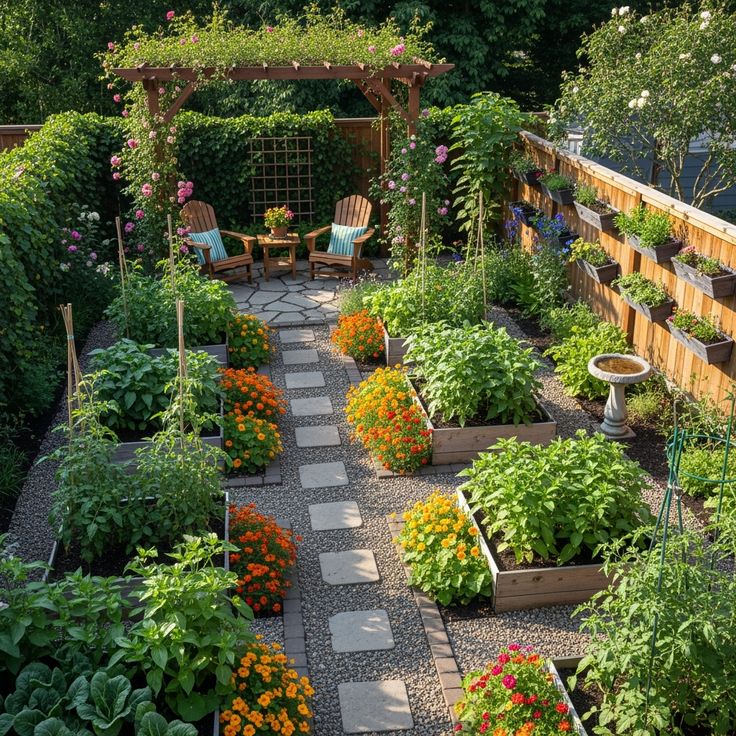
Community garden path with raised beds and native plants for outdoor observation

Nine balance activities for varied schedules

Dawn Watch

Observe the first fifteen minutes of daylight from a consistent outdoor location for one week.

Weather Log

Record daily sky conditions, wind direction, and precipitation in a dedicated notebook.

Plant Journal

Document one plant species per week through sketches, photographs, or written descriptions.

Route Variation

Alter your regular walking path slightly each day to notice new environmental details.

Twilight Pause

Spend five minutes outdoors during the transition between day and evening light.

Indoor Green

Tend to houseplants with attention to detail, connecting indoor care routines with outdoor observation skills.

Bird Count

Identify and count bird species visible from your home or workplace during a set time window.

Color Study

Select one natural color each day and find five objects in your environment that share that hue.

Silent Minute

Dedicate sixty seconds of silence to listening outdoors without movement or conversation.

Track your practice consistency

Weekly

Review your balance wheel quarterly and note which elements received the most and least attention

3-5

Recommended outdoor sessions per week for beginners building a new routine

10m

Minimum daily reflection time suggested in our educational materials

Questions to deepen your nature practice

What changed in the landscape around me since my last visit to this location?

Seasonal awareness prompt — Week 1

Which balance element did I prioritize today, and which received less attention than usual?

Balance wheel review — Daily

What natural sound or sight surprised me during my outdoor time today?

Observation log — Daily

How might I adjust next week's schedule to include more time in a natural setting?

Planning prompt — Weekly

Why scheduling matters in outdoor nature education

Many people begin outdoor practices with enthusiasm but struggle to maintain consistency. Our balance frameworks address this through structured scheduling, realistic time commitments, and regular self-assessment rather than motivation-based approaches.

The content on this page is informational. We do not assert that following these routines will lead to specific personal outcomes. Each person's relationship with nature develops at its own pace.

Guided challenges for routine building

8-Week Program

Seasonal Balance Series

A structured curriculum that adjusts recommended activities as daylight hours and weather patterns shift through the season.

Learn More
7-Day Challenge

Morning Rhythm Reset

Seven days of guided morning practices designed to establish a consistent start-of-day nature awareness routine.

Learn More

Understanding our balance content

No. Our balance content is purely educational. It provides frameworks for organizing outdoor activities and reflective practices. It is not a substitute for counseling, therapy, or any form of clinical intervention.

Several activities in our library can be adapted for indoor settings, including plant journaling, weather logging, and indoor green care. However, we encourage incorporating outdoor time whenever possible for the fullest educational experience.

Build a balanced nature practice at your own pace

Our consulting team can help you design a personalized educational plan that fits your daily schedule and local environment.

Request Guidance

Balance routines described on this page are general educational suggestions only. They are not personalized health, fitness, or mental health guidance. Flourishskeleton does not provide medical advice or promise specific outcomes. Consult qualified professionals for individual health or safety concerns.